Cookout Nutrition Facts (2026): Calories, Protein & Menu Guide
When people search for cookout nutrition, they are usually trying to understand what they are actually eating at Cookout and how different menu items compare in terms of calories, fat, carbohydrates, protein, and overall nutritional value. Cookout is widely known for its burgers, chicken trays, hot dogs, BBQ plates, and milkshakes, but because portions are large and customization is common, nutrition can vary significantly from one order to another.
This article provides a research-based explanation of Cookout nutritional information, using official cookout restaurant nutrition data as a reference point, so users can clearly understand how Cookout menu items fit into their daily diet.
Understanding Cookout Nutritional Information
Cookout restaurant nutrition information is structured around standard serving sizes, but real-world orders often include add-ons such as cheese, bacon, chili, slaw, sauces, and tray combinations. These additions can dramatically change the final calorie count and macronutrient balance.
In general, Cookout menu nutrition is influenced by three main factors: the base item (burger, chicken, hot dog, or BBQ), the cooking method (grilled or fried), and optional toppings or sides. Because of this, two meals ordered under the same name can have very different cookout nutritional values.
Cookout Nutrition Chart (Popular Menu Items)
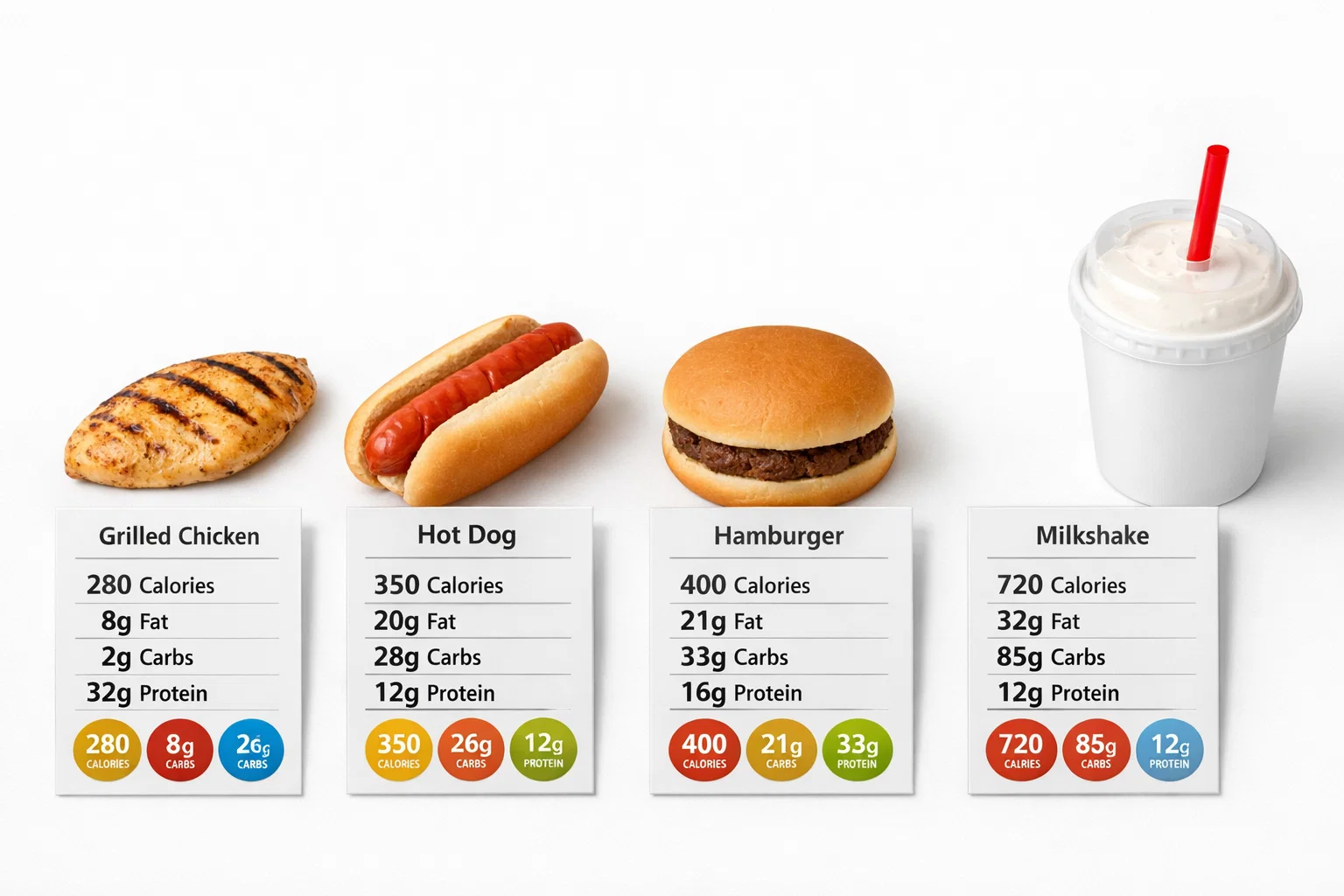
To give users a realistic comparison, the table below summarizes approximate nutrition facts for Cookout restaurants based on commonly ordered items. These values reflect typical servings listed in official Cookout nutrition documentation and are meant for informational use.
|
Menu Item |
Calories |
Total Fat |
Carbohydrates |
Protein |
|---|---|---|---|---|
|
Hamburger |
250–300 |
9–11 g |
30–33 g |
13–15 g |
|
Cheeseburger |
300–350 |
13–15 g |
30–33 g |
14–16 g |
|
Grilled Chicken Breast |
220–260 |
5–7 g |
4–6 g |
28–32 g |
|
Crispy Chicken Sandwich |
420–470 |
17–20 g |
44–48 g |
20–23 g |
|
Hot Dog |
260–300 |
13–15 g |
28–32 g |
9–11 g |
|
Chicken Nuggets (5 pc) |
230–260 |
14–16 g |
15–18 g |
11–13 g |
|
French Fries |
350–380 |
17–19 g |
44–47 g |
3–5 g |
This cookout nutrition chart shows how grilled items generally contain fewer calories and fat, while fried foods and sides contribute higher carbohydrate and fat totals.
Cookout Chicken Nutrition Explained

Chicken is one of the most searched topics within cookout nutritional information because it offers both lighter and heavier options. Grilled chicken breast is among the lowest-calorie, highest-protein items on the menu, making it a more balanced choice. On the other hand, crispy chicken sandwiches, wraps, and trays include breading and sauces that raise calories, fat, and sodium.
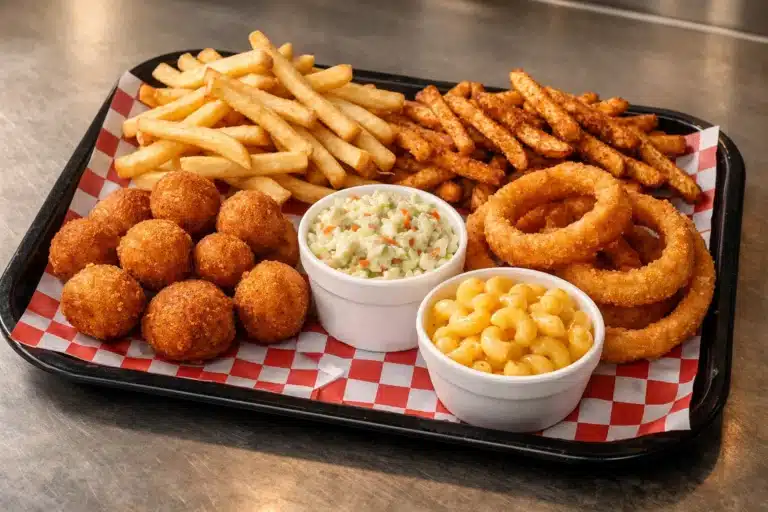
Chicken trays significantly increase total intake because sides such as fries, hushpuppies, and onion rings add several hundred calories on their own. This makes tray meals one of the most calorie-dense combinations in the cookout nutritional menu.
Cookout Milkshake Nutrition Information
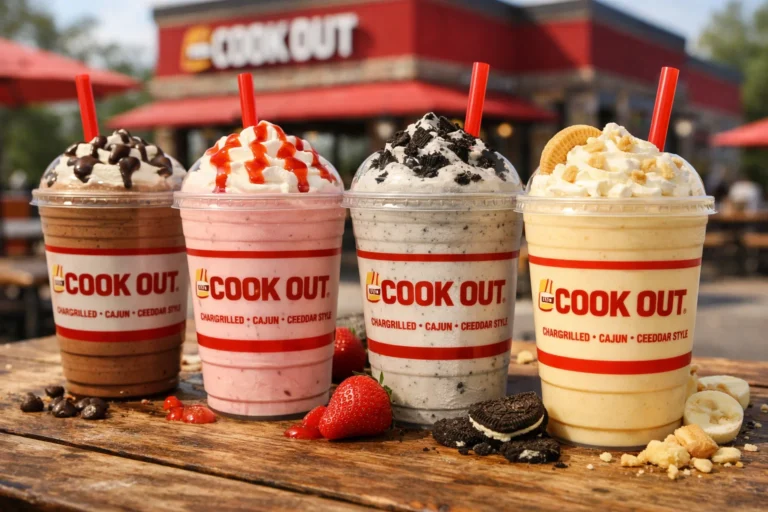
Another major reason users search for cookout allergen menu is the restaurant’s milkshakes. Cookout milkshakes are known for their large size and variety of flavors, which also means high calorie and sugar content.
Based on cookout milkshake nutrition information, most shakes fall into a range of roughly 500 to over 800 calories, depending on flavor and mix-ins. Milkshakes also contain high amounts of sugar and fat, making them better suited as an occasional treat rather than a regular add-on to a full meal.
How to Use Cookout Nutrition Information Wisely
Understanding cookout restaurant nutrition facts allows customers to make informed decisions rather than guessing. Choosing grilled proteins, limiting extra toppings, and being mindful of sides can significantly reduce total calorie intake. Even small changes such as skipping cheese or sharing a milkshake can meaningfully impact overall nutrition. For a personalized nutrition breakdown, try our Cookout Calories Calculator and see how different menu combinations affect your total calorie intake.
Cookout Nutrition PDF and Data Accuracy
The nutrition information presented in this guide is based on publicly available Cookout nutrition resources and menu documentation. Actual values may vary by location, preparation methods, and serving size.